

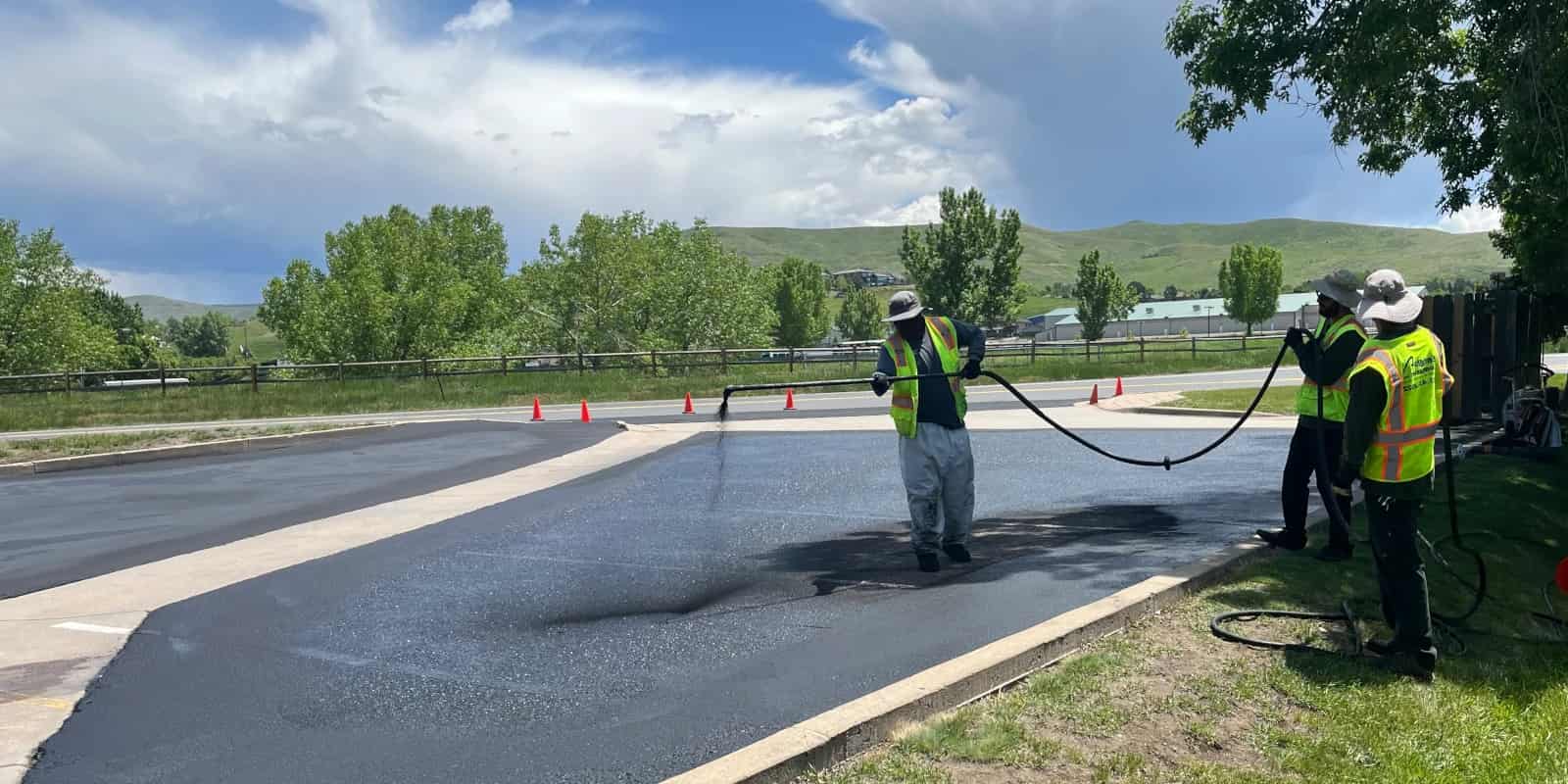
A Fresh Sealcoat Cannot Hide a Bad Lot
Picture two parking lots that look identical from the street. Both are gray, both are tired, both could use a fresh black coat. One is a perfect candidate for sealcoating. The other will eat your money and fail by spring. The only way to tell them apart is to inspect them first.
That is the part most property managers never see. A good sealcoat job starts long before anyone opens a bucket. It starts with a walk of the lot, a list of checks, and an honest answer to one question. Is this surface actually ready to be sealed, or does it need work first?
At Enright Asphalt, we will not put sealer on a lot we have not inspected, because sealing the wrong lot is worse than doing nothing. This is the inspection we run before every Denver sealcoat, and why each step matters more here than almost anywhere else.
Why Denver Makes These Inspections Non-Negotiable
Sealcoat is water based. It has to evaporate and cure into a hard shell, and that process is fussy about temperature, moisture, and timing. Denver makes every one of those harder to get right.
We sit at 5,280 feet with more than 300 days of sunshine a year, so the UV load that ages your asphalt is also the reason a good sealcoat pays off. But our cold season is long, running from October into April, and our days can swing more than 40 degrees from afternoon to night. A lot that is warm enough to seal at 2 p.m. can drop below freezing before the coat has cured. Get the inspection wrong here and the sealer cracks, peels, or simply washes off.
So the checks below are not a formality. In this climate they are the difference between a coat that lasts and one that flakes off by the first hard freeze.
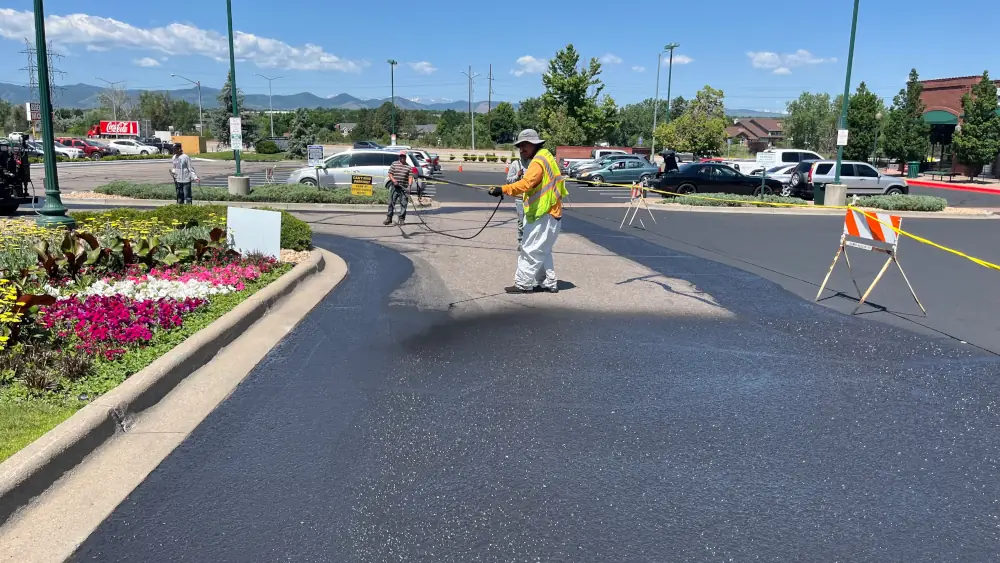
The Checks We Run Before We Open a Bucket
Surface Condition and Cracking
The first thing we read is the damage. Scattered, thin cracks are fine to seal once they are filled. But alligator cracking, a connected web of cracks, or any pothole means the base has failed, and no sealcoat will fix that. Those areas need asphalt repair first. Sealing over them just buries the problem under fresh black.
Cure Status on Newer Pavement
New asphalt is not ready for sealer. It needs to oxidize and release its surface oils first, and in Denver we wait until a new lot has fully cured, generally 12 to 18 months after paving. Seal it too soon and the coat will not bond. If you are not sure how old your surface is, our guide on how long asphalt takes to set walks through the signs.
Drainage and Ponding
We look for the dark rings and stains that mark where water sits after a storm. Standing water is the enemy of sealcoat, because moisture trapped under the coat keeps it from bonding and freezes into damage all winter. If a lot ponds, that is a slope or grading problem, and sealing over it will not help. We flag it before we seal, not after.
Cleanliness and Contamination
Sealer bonds to clean asphalt and nothing else. We check for dirt, sand, vegetation pushing through cracks, and especially oil and grease stains near drive lanes and dumpster pads. Oil spots repel water based sealer, so they get cleaned and primed first. A lot that looks clean from a car often is not when you are standing on it.
Surface Moisture
Even after a dry day, a lot can hold moisture in shaded corners or low spots. We confirm the surface is dry top to bottom, because any trapped water will keep the sealer from curing and leave it patchy. In Denver’s morning shade and cool nights, this check catches problems a quick glance would miss.
The Weather Window
This is the check that reschedules more jobs than any other. We need air temperature at or above 50 degrees and rising, pavement temperature closer to 60, and a forecast that keeps things above 50 through the day and above freezing overnight for at least 24 hours after we finish. No rain for a full day after, and humidity on the lower side so the water can evaporate. We also watch the high end, because pavement baking past 95 degrees can flash the sealer before it bonds. In practice that puts our reliable Denver window between late spring and early fall.
Striping and ADA Layout
Sealcoat covers your old lines, so we inspect the existing layout before we seal and plan the restripe that follows. This is the moment to fix faded markings, tight stalls, and any ADA compliance gaps in your accessible spaces and access aisles. We handle the fresh parking lot striping the day after the seal has cured.
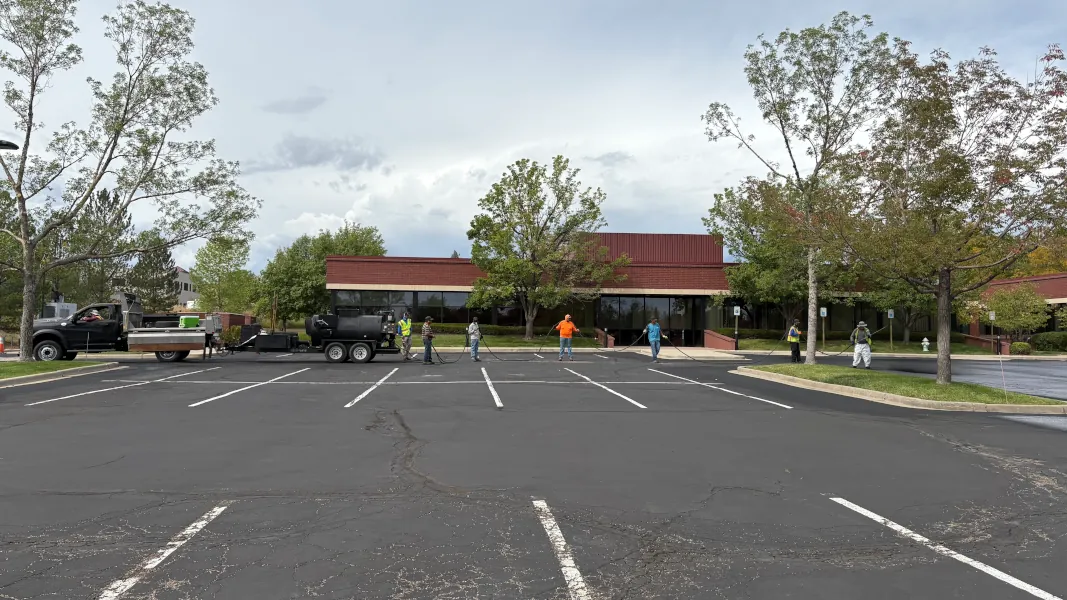
The Pre-Sealcoat Inspection at a Glance
| Inspection | What We Check | Why It Matters in Denver | Go or No-Go Trigger |
| Surface condition | Cracks, alligator cracking, potholes | Freeze and thaw widens any opening fast | Base failure means repair before sealing |
| Cure status | Age and oxidation of the asphalt | New asphalt will not bond to sealer | Under 12 to 18 months old |
| Drainage | Standing water and ponding marks | Trapped moisture freezes and lifts the coat | Pooling means fix the slope first |
| Cleanliness | Dirt, vegetation, oil and grease | Sealer will not stick to contamination | Oil spots need cleaning and priming |
| Surface moisture | Dry top to bottom | Cool shade and nights hold moisture here | Any dampness delays the job |
| Weather window | Temperature, rain, humidity | Wide daily swings can ruin curing | Below 50 or freezing overnight is a no-go |
| Striping and ADA | Layout, faded lines, compliance | Restripe follows every seal | Plan the layout before covering it |
What a Failed Inspection Actually Saves You
Here is the part that feels backward. The most valuable result of an inspection is sometimes the word no.
When we tell a property manager the lot is not ready, we are not turning down work. We are stopping you from paying to seal a surface that will fail, then paying again to fix the damage the sealer hid. A lot with active base failure needs repair, not a coat. A lot that ponds needs grading. A brand new lot just needs time. Crack sealing the worst lines with our crack sealing crew before the seal goes down is often the single best dollar you spend.
That is the whole reason we inspect. Sealcoat is a protective step for a sound lot, and the inspection is how we prove the lot is sound before we treat it like one.
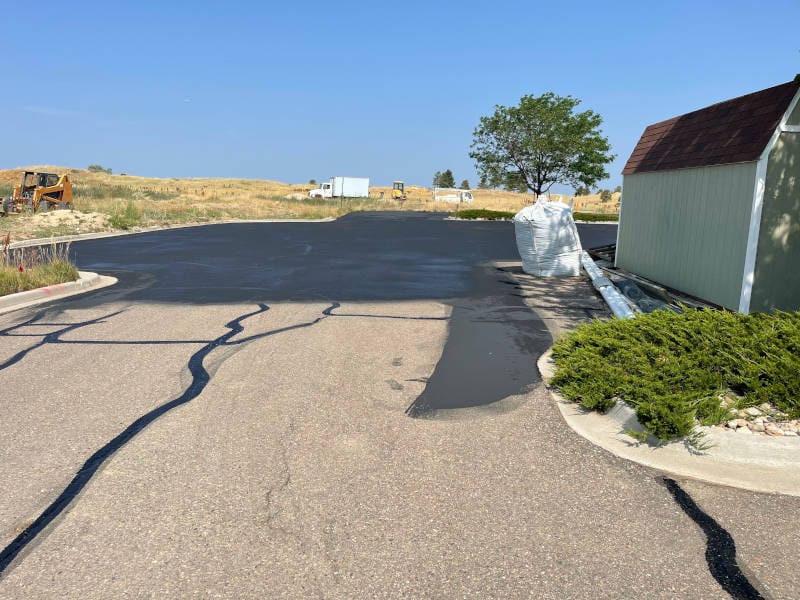
Frequently Asked Questions
Do I really need an inspection, or can you just seal the lot? You need it. Sealcoat bonds only to a sound, clean, dry, cured surface, and the only way to confirm all four is to walk the lot first. Sealing without that check is how a lot ends up with a coat that peels off within a season, especially in Denver’s freeze and thaw climate.
How can I tell if my lot is too damaged to sealcoat? Look at the cracks. Thin, separate lines can be filled and sealed. A connected web of cracks, sunken sections, or potholes means the base has failed, and those need repair first. Sealer is a surface product, so it cannot restore structure.
When is it too late in the year to sealcoat in Denver? Once overnight lows start dipping toward freezing, usually in the fall, the curing window closes. We need the surface to stay above 50 degrees through the day and above freezing for 24 hours after we finish. That practically limits reliable sealcoating to late spring through early fall here.
Can you sealcoat brand-new asphalt right away? No. New asphalt needs to cure and release its surface oils first, generally 12 to 18 months in Denver. Sealing it too early keeps the coat from bonding and wastes the application.
Why does my lot need cleaning and crack repair before the sealcoat? Because sealer only sticks to clean asphalt, and it cannot bridge open cracks. Oil, dirt, and vegetation block adhesion, and unfilled cracks let water straight through to the base. Handling both first is what makes the seal actually last.
Do Not Let Anyone Seal Your Lot Sight Unseen
A sealcoat is only as good as the lot underneath it. The inspection is where a Denver lot earns the coat, or where you find out it needs something else first, before you spend a dime on the wrong fix.If your lot is due for sealcoating, let us inspect it first. Schedule a pavement assessment with Enright Asphalt and we will tell you exactly what your surface needs, whether that is a seal, a repair, or a little more time.