

Overview
Should you repair or replace your concrete driveway? This common question frustrates Denver homeowners. This guide helps you assess your driveway’s condition, understand when repair makes sense versus when replacement delivers better value, and make an informed decision based on damage patterns, age, and your long-term plans.
Key Takeaways
- Condition Matters More Than Age: A well-maintained 25-year-old driveway might need only repairs, while a poorly installed 10-year-old driveway might need replacement.
- 30% Rule: If damage covers more than 30% of your driveway surface, replacement usually makes more sense than repairs.
- Failed Repairs Signal Problems: If you keep repairing the same areas and they keep failing, replacement is likely needed.
- Repair Works for Limited Damage: Localized cracks and spalling in stable concrete respond well to repair.
- Base Problems Need Replacement: Settlement, heaving, or drainage issues can’t be fixed with surface repairs.
- Think Long-Term: Multiple short-lived repairs cost more over time than one quality replacement.
You’ve been patching the same cracks for three years. Every spring reveals new damage. Last summer’s repairs are already failing. You’re throwing money at a problem that keeps getting worse, and you wonder if it’s time to stop repairing and start replacing.
This decision frustrates Denver homeowners constantly. Concrete replacement feels expensive and disruptive. But endless repairs that fail within months waste money too. The question is which choice delivers better value over the next 10 to 20 years.
Concrete Lifespan in Denver
A properly installed concrete driveway in Denver typically lasts 25 to 30 years with regular maintenance. That assumes quality concrete mix, adequate thickness (minimum 4 inches), proper base preparation, correct curing, and preventive maintenance like sealing every few years.
Many driveways fall short because of poor installation, inadequate thickness, bad drainage, lack of maintenance, or exposure to deicing salts. A driveway showing serious problems at 15 to 20 years often had installation shortcuts or neglect.
Age alone doesn’t dictate replacement. Condition matters more than the calendar.
Signs Your Driveway Needs Replacement
Certain damage patterns signal concrete has deteriorated beyond effective repair.
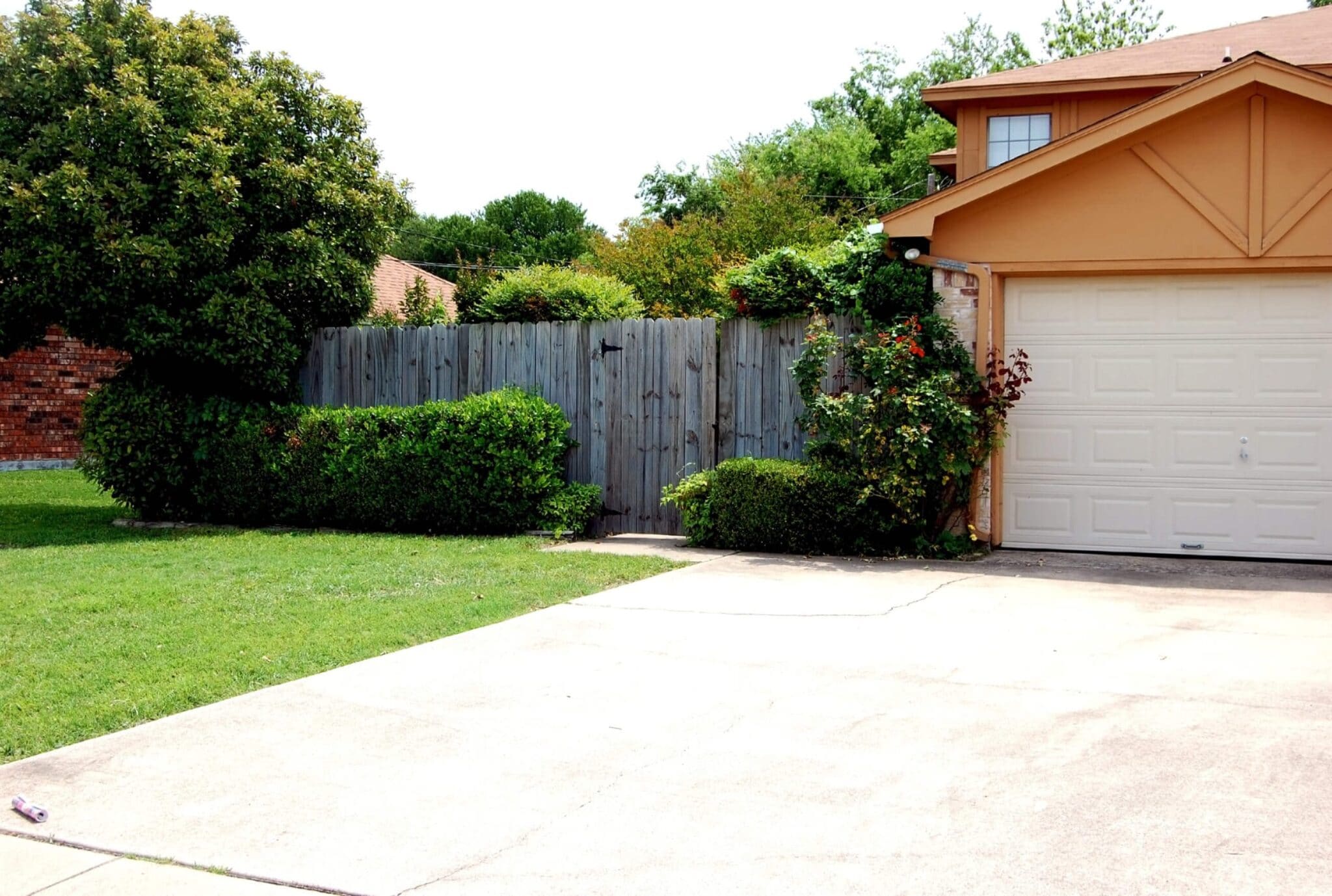
Widespread cracking covering more than 30% of the surface means the concrete has failed structurally. Alligator cracking (interconnected cracks forming small patterns) specifically signals structural failure that repair can’t fix.
Significant settlement or heaving creating uneven surfaces means the base has failed. Sections that have sunk several inches or lifted indicate unstable base. While mudjacking can sometimes lift settled sections, recurring problems mean replacement is necessary.
Deep spalling where concrete has flaked away exposing aggregate throughout large areas means the concrete matrix has broken down. Deep, widespread spalling usually indicates poor quality or severe freeze-thaw damage affecting the entire slab.
Exposed or corroding reinforcement poses structural and safety concerns. When you see rebar or wire mesh, moisture has penetrated deeply. Corrosion expands the steel, creating pressure that cracks concrete further.
Drainage problems causing constant water pooling in multiple locations suggest improper slope from installation. Fundamental slope problems often require complete removal and reinstallation.
Recurring repairs in the same areas tell you you’re treating symptoms, not causes. If repairs keep failing, the underlying concrete or base has issues surface repairs can’t fix.
When Repair Makes Sense
Many concrete driveways benefit from repair rather than replacement.
Limited, localized damage is ideal for repair. A few cracks in otherwise sound concrete, isolated spalling in one section, or a single settled panel can be repaired effectively. If damage covers less than 20 to 30% of total surface, repair typically makes sense.
Stable concrete with no settlement indicates the base remains sound. Cracks might have developed from thermal stress or minor surface issues, but if sections haven’t moved and concrete feels solid underfoot, repairs should last.
Newer concrete with superficial damage deserves repair. A driveway less than 10 years old showing surface scaling from salt or minor cracking hasn’t reached the end of its life. Proper repairs and better maintenance can extend its lifespan significantly.
Surface-only problems like minor spalling, shallow cracks, or cosmetic damage respond well to repair when the structure underneath remains sound. Run a screwdriver along cracks. If concrete feels solid and doesn’t crumble, repair should work.
Understanding Repair Longevity
Properly done repairs on fundamentally sound concrete can last 5 to 10 years or more. Crack sealing with quality materials rated for freeze-thaw conditions protects against water infiltration for years.
However, repairs on failing concrete rarely perform well regardless of technique. If underlying concrete is deteriorating, if the base is unstable, or if drainage problems persist, even perfect repair work fails fast.
The repair-failure-repair cycle costs more over time than fixing the root problem once. If you keep repairing the same areas, replacement becomes the practical choice.
The Decision Process
Use this approach to evaluate your situation objectively.
Step 1: Assess Damage Walk your entire driveway. Document every problem. Take photos. Measure crack widths. Note settlement or heaving. Mark spalling areas. Be thorough and honest about damage extent.
Step 2: Check Age and History How old is the concrete? Has it been maintained with regular sealing? How many times have you repaired the same areas? Does damage suggest installation problems or normal aging?
Step 3: Get Professional Assessment Have an experienced concrete contractor evaluate the situation. They can determine if damage is truly structural or potentially repairable. Get opinions from two or three contractors if unclear.
Step 4: Consider Your Timeline How long do you plan to stay in the property? If selling within a few years, strategic repairs might make sense. Long-term owners benefit more from replacement. Does appearance affect curb appeal significantly? Are there safety concerns?
Step 5: Make the Decision Replace if damage is widespread, you’ve done multiple failed repairs, the driveway is over 20 years old with significant problems, or base/drainage issues exist. Repair if damage is limited and localized, concrete is relatively new, base and drainage are sound, or you need more time to plan replacement.
Driveway Repair Options
When repair makes sense, understanding your options helps you choose the right approach.
Crack sealing works for individual cracks up to about half an inch wide in stable concrete. This prevents water infiltration causing freeze-thaw damage.
Concrete patching addresses localized damaged areas. Full-depth patches that remove all bad material and rebuild the section create durable repairs.
Resurfacing applies a new layer of specialized concrete overlay across the entire surface. This works when damage is primarily surface-level spalling but the structure remains sound. Learn more about concrete resurfacing.
Mudjacking or slab jacking lifts settled sections by pumping material underneath. This addresses settlement when concrete itself is structurally sound but has sunk.
Concrete Driveway Replacement Advantages
Understanding what replacement delivers helps evaluate if the investment makes sense.
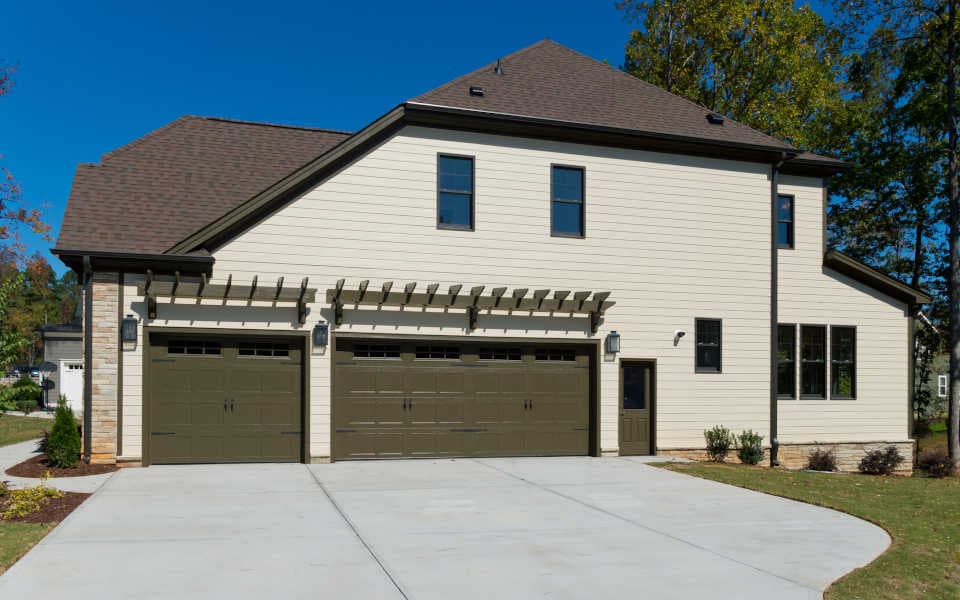
Complete fresh start eliminates all existing problems. Everything gets removed and rebuilt correctly from the base up.
Correct underlying problems like improper drainage, inadequate base, or wrong concrete thickness. Replacement fixes fundamental issues repair can’t address.
Extended lifespan of 25 to 30 years with proper maintenance provides decades of reliable service without ongoing repair concerns.
Improved appearance transforms your property’s curb appeal dramatically. A new driveway looks significantly better than even well-repaired old concrete.
Modern specifications allow incorporating proper reinforcement, adequate thickness, improved drainage, and quality mixes that resist salt damage better.
Best Timing for Concrete Work
Whether repair or replacement, timing work correctly in Colorado’s climate ensures best results.
Late spring through early fall (May-September) offers optimal conditions. Temperatures above 50°F allow proper curing.
Summer (June-August) provides the most reliable weather and longest window. Concrete poured in summer has months to cure before winter.
Fall (September-early October) works if temperatures stay moderate. Projects must complete before nighttime temps drop below 40°F consistently.
Avoid winter when cold temperatures prevent proper curing and dramatically increase freeze damage risk to fresh concrete.
Frequently Asked Questions
When should a concrete driveway be replaced?
Replace when damage affects more than 30% of surface, significant settlement or heaving occurred in multiple areas, multiple repairs keep failing, or the driveway is over 25 years old with extensive deterioration. Deep spalling throughout large sections, visible corroding reinforcement, and fundamental drainage problems also indicate replacement makes more sense.
Should I repair or replace my driveway?
Repair when damage is limited (less than 20-30% of surface), concrete is relatively new with superficial problems, no settlement or base failure exists, and damage is surface-level. Replace when damage is extensive, repairs keep failing, base or structural problems exist, or the driveway is over 20 years old with multiple issues.
Is it cheaper to replace or repair concrete?
Repair costs less initially. However, repairs on failing concrete that need redoing every few years add up. Repair makes financial sense when concrete is fundamentally sound and damage is limited. Replacement delivers better long-term value when concrete has deteriorated extensively.
Should you pour new concrete over old concrete?
Pouring over old concrete (overlay) works only when existing concrete is structurally sound with no settlement, movement, or widespread cracking. Overlays add 1.5 to 2 inches of height, creating problems with garage entries and drainage. For driveways with significant problems, complete removal and replacement typically delivers better results.
Make the Right Choice
The decision between repair and replacement becomes clear with systematic assessment of your driveway’s condition, age, and damage patterns.
Repair delivers excellent value when damage is limited, concrete is fundamentally sound, and proper techniques address actual problems. Replacement makes better sense when damage is extensive, repairs keep failing, base or structural issues exist, or the driveway has reached the end of its lifespan.
Consider realistic longevity expectations, the likelihood of needing additional work within a few years, and your long-term property plans.
Enright Asphalt has helped Denver property owners make this decision for over 30 years. Our family-owned team provides honest assessments of whether your concrete driveway can be effectively repaired or whether replacement represents better value.
Contact Enright Asphalt today for a free driveway assessment. Let us help you make an informed decision based on your specific situation and long-term plans.