

Overview
Salt damage is Denver’s most common winter concrete problem. Deicing salts cause spalling, flaking, and pitting that gets worse each year. This guide shows you how to repair salt-damaged concrete yourself and prevent future damage.
Key Takeaways
- Salt Causes Spalling: Deicing salts pull moisture into concrete where it freezes and expands, causing surface flaking and pitting.
- Damage Accelerates Fast: Minor flaking this year becomes deep pitting next year without repair.
- Remove All Bad Concrete: Successful repairs require removing every bit of loose material down to solid concrete.
- Seal Every 2 Years: Penetrating sealers reduce salt damage by 70-80%.
- Use Safe Deicers: Concrete-safe ice melters prevent expensive damage.
Every spring across Denver, the same problem appears. As snow melts, concrete surfaces are flaking, peeling, and crumbling. Small chunks pop off when you sweep. The surface looks pitted where it was smooth last fall. You’re looking at salt damage, Denver’s most expensive winter concrete problem. Salt damage, called spalling, affects thousands of Colorado properties yearly. Once spalling starts, it speeds up fast. Surface damage from one winter becomes deep pitting by the next. Eventually, you’ll need complete concrete replacement.
Why Salt Damages Concrete
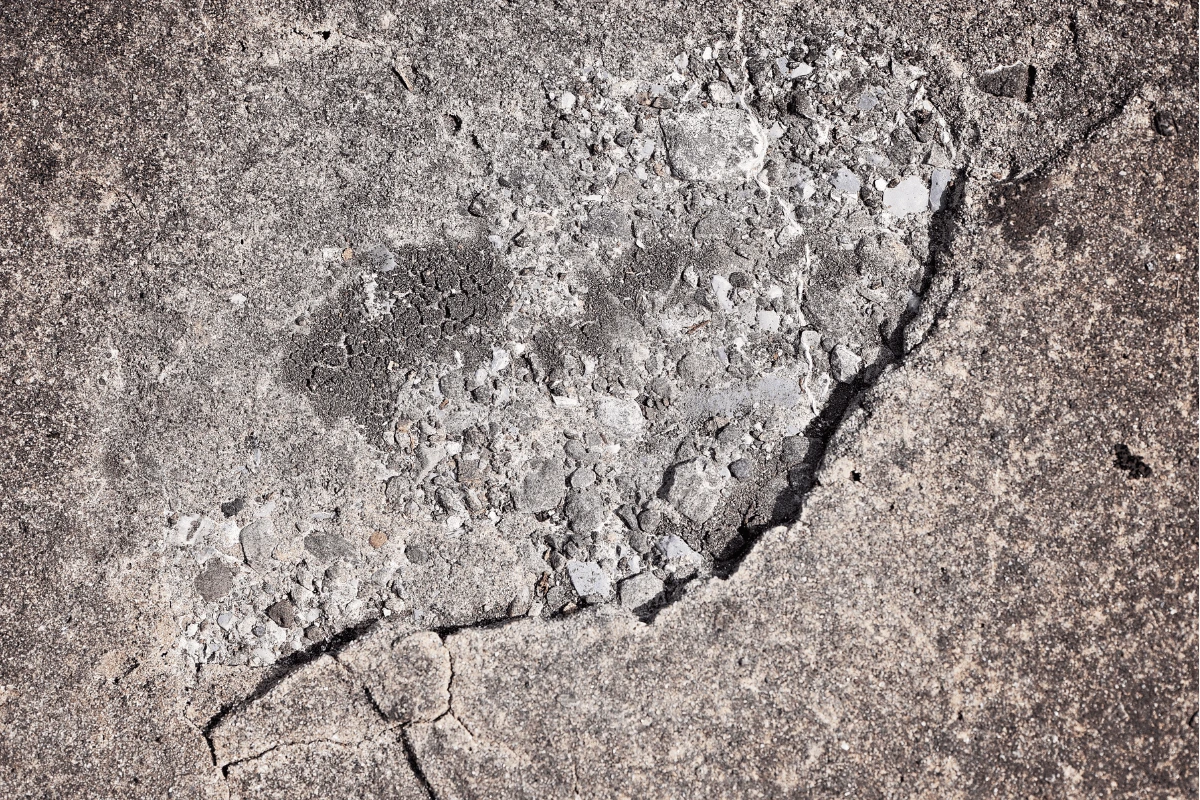
Salt damage shows up as concrete spalling when the surface flakes, peels, or pops off in chunks. You’ll see a rough, pitted surface with loose pieces.
Denver’s winter creates perfect conditions. Rock salt pulls moisture into concrete’s porous surface. When temperatures drop, this salt-filled water freezes and expands inside the surface layer. Colorado’s intense sun, temperature swings, and freeze-thaw cycles weaken concrete over time. Salt keeps tiny air pockets filled with water that freezes and expands repeatedly.
Once the surface starts flaking, it exposes deeper, weaker concrete that’s even more vulnerable. What starts as minor flaking in year one becomes serious pitting in year two. By year three, you might need replacement. Fix salt damage early to save money.
How to Repair Spalling Concrete
Repairing spalled concrete means removing all damaged material and rebuilding with proper bonding. You must get back to solid concrete before applying repair products.
Check the Damage
Light spalling (1/8 to 1/4 inch deep): Surface flaking that feels rough but stays solid. Good for DIY repair.
Moderate spalling (1/4 to 1/2 inch deep): Pitting and crater-like holes with exposed stones. Needs quality repair products.
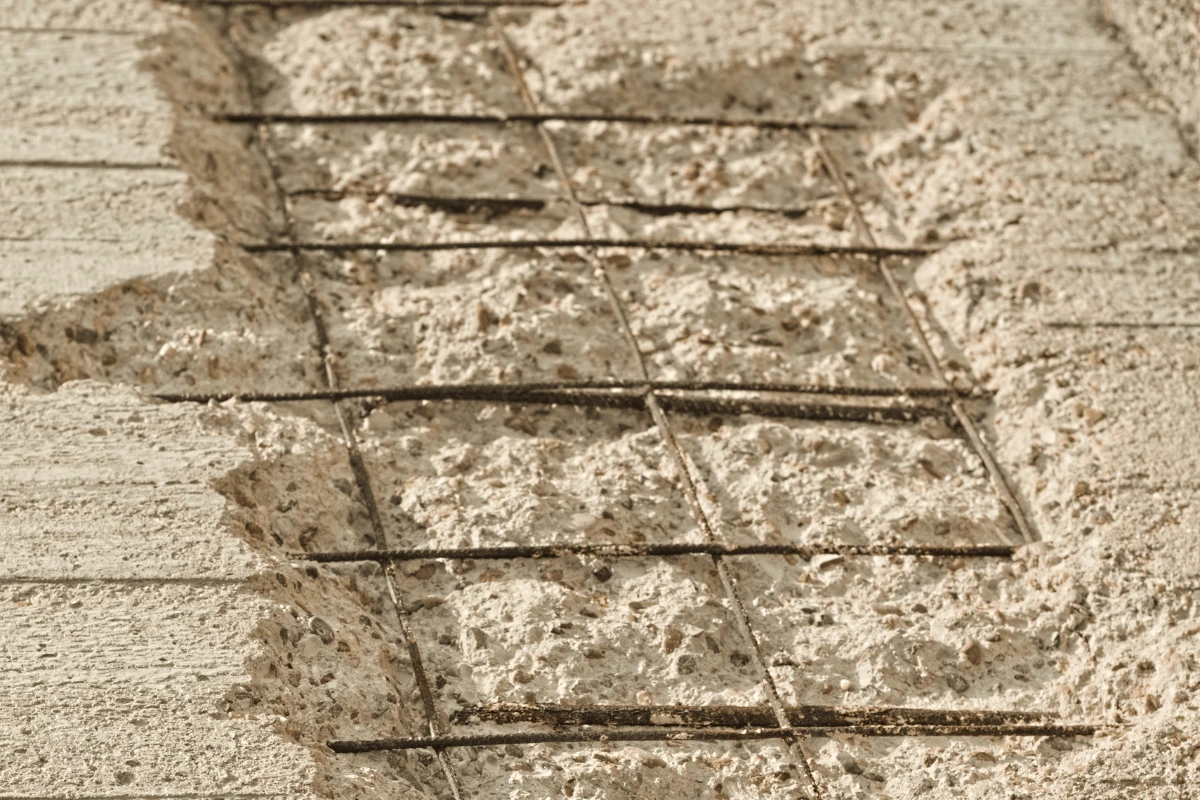
Severe spalling (deeper than 1/2 inch): Exposes lots of aggregate and reinforcement. Professional concrete resurfacing or replacement usually costs less.
Test the concrete with a screwdriver. If material crumbles easily, the damage goes beyond what you see.
DIY Repair Steps
Materials needed:
- Concrete resurfacer or repair mortar
- Concrete bonding adhesive
- Concrete etching solution
- Wire brush or pressure washer
- Trowel and float
- Safety gear (glasses, gloves, mask)
Step 1: Remove Damaged Concrete
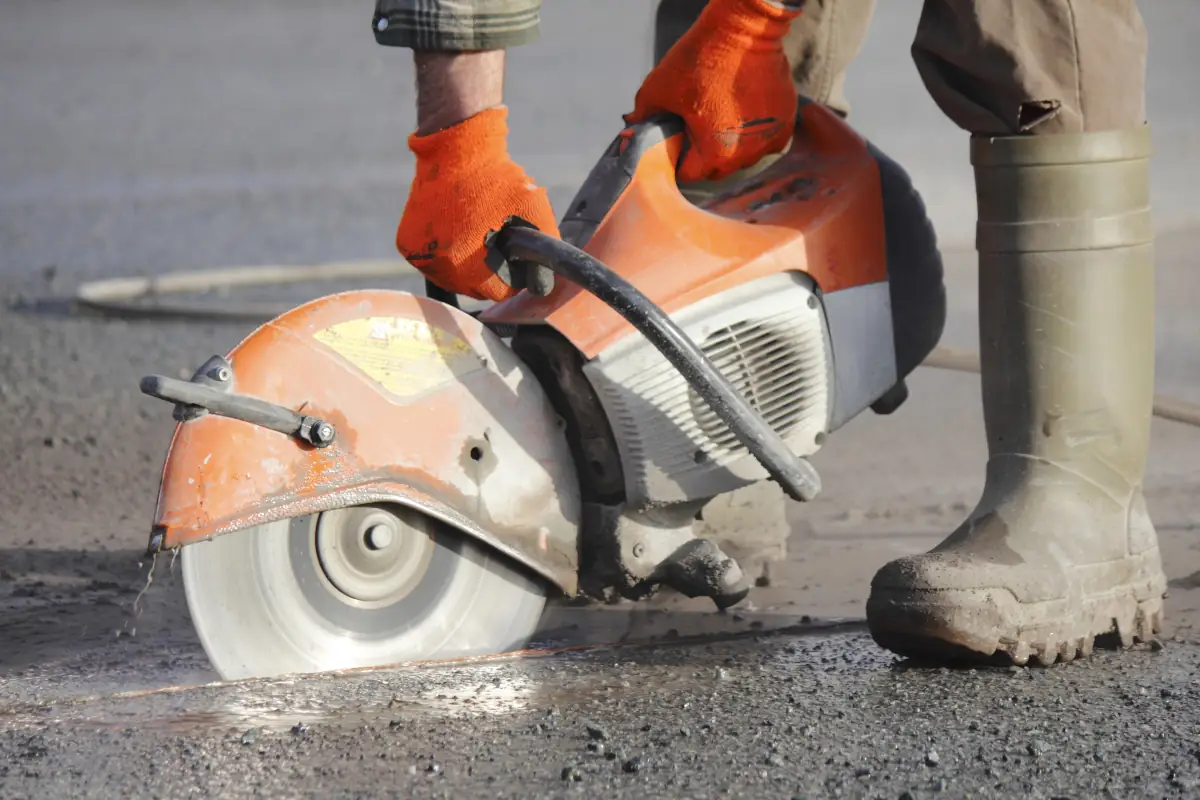
Use a hammer, cold chisel, or angle grinder to remove all loose, flaking, or weak concrete. This is critical. Any bad material left behind makes repairs fail. Remove until you reach solid concrete that doesn’t crumble.
Step 2: Clean and Etch
Sweep away all dust. Pressure wash the area completely. Apply concrete etching solution to open pores and create rough texture for better bonding. Rinse thoroughly and let dry per product instructions.
Step 3: Apply Bonding Adhesive
Brush concrete bonding adhesive over the repair area. This creates a chemical bridge between old and new concrete. Apply when tacky but not fully dry.
Step 4: Apply Repair Material
Mix concrete resurfacer like thick pancake batter. For repairs over 1/2 inch deep, apply multiple layers. Trowel material into all holes. Spread and level, then finish with a float to match surrounding texture. Feather edges for smooth transition.
Step 5: Cure Properly
Keep repaired areas damp for at least three days. Mist with water several times daily or cover with plastic. Denver’s dry climate causes fast drying that creates weak repairs. Products reach usable strength in 24-48 hours.
For more techniques, see 3 ways to fix a concrete crack.
Repairing Flaking Concrete
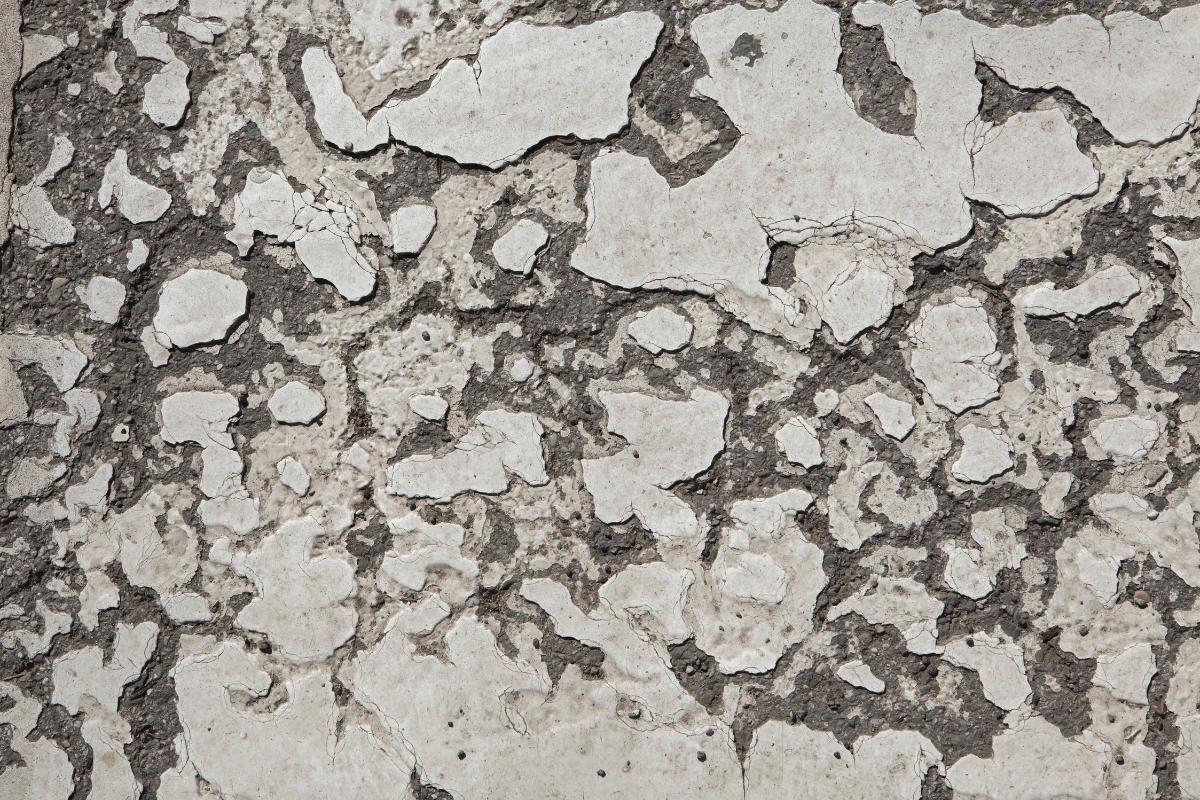
Flaking concrete is early-stage salt damage. Fix it before it becomes deep spalling.
For large areas, concrete resurfacing products work better than spot patching. Remove all loose material with a wire brush or pressure washer. Clean and etch thoroughly.
Apply concrete resurfacer with a squeegee or trowel in thin, even coats (1/16 to 1/4 inch thick). Work in sections, keeping a wet edge. Texture while workable to match surrounding concrete.
For smaller areas on steps or walkways, use concrete patching compound troweled thin and feathered at edges. Learn more about concrete resurfacing options.
When to Call a Professional
Call a professional concrete contractor if:
- Spalling covers more than 30% of your surface
- Damage goes deeper than 1 inch in multiple spots
- You see exposed reinforcing wire or rebar
- Repairs keep failing
- You’re unsure how severe the damage is
Prevent Salt Damage
Professionals use polymer-modified overlays that bond better and last longer. They can also fix underlying drainage or concrete issues. Enright Asphalt handles salt-damaged concrete repair throughout Denver.
Prevention beats repair every time.
Seal concrete every 2 years with penetrating silane or siloxane sealer. This creates a water-repellent barrier that reduces salt damage by 70-80%. Apply in fall before winter. Check the best driveway sealers for concrete.
Use concrete-safe deicing products. Calcium magnesium acetate or potassium acetate cost more but prevent damage. Sand provides traction without chemicals. If using salt, apply sparingly and sweep away residue quickly.
Improve drainage. Make sure water runs off properly. Keep drains clear. Fill low spots where water pools.
Clean salt regularly. When temperatures rise above freezing, hose down concrete to wash away salt buildup.
Avoid deicing new concrete the first winter. Fresh concrete needs a full season to cure. Use sand for traction.
Best Repair Timing
Repair salt-damaged concrete during late spring through early fall.
Spring (April-May): Ideal for checking winter damage. Moderate temperatures and full summer ahead for curing.
Summer (June-August): Longest working window with reliable weather. Repairs have months to strengthen.
Fall (September-early October): Works if temps stay above 50°F. Your last chance before winter.
Avoid winter repairs. Cold prevents proper curing and products don’t bond correctly.
Protect Your Investment
Salt-damaged concrete is expensive if ignored. For light to moderate damage, DIY repairs work when done right. Remove all bad concrete, prepare thoroughly, use quality bonding agents, and allow proper curing.
For extensive damage or recurring problems, professional assessment prevents wasted money. Prevention through sealing, safe deicers, and good drainage protects far better than repairs. A few hundred in prevention saves thousands in replacement.
Enright Asphalt has served Denver with expert concrete repair services for over 30 years. We understand Colorado’s climate and can help you decide the best approach. Contact Enright Asphalt today for a free concrete assessment. Spring repair season books fast, so schedule early.