

Overview
Concrete driveway cracks are common in Denver due to our extreme weather conditions. With over 100 freeze-thaw cycles each year, even small cracks can quickly become expensive problems. This guide teaches Denver homeowners how to identify different types of cracks, perform DIY repairs using the right materials, and know when professional help is needed. You’ll learn proven methods to fix cracks before winter arrives and prevention strategies to protect your concrete investment.
Key Takeaways
- Small cracks turn into big problems during Denver’s freeze-thaw cycles. Repair cracks as soon as you notice them.
- Cracks under 1/4 inch can be DIY repaired with flexible sealant. Larger cracks may need professional help.
- Use products specifically rated for freeze-thaw conditions, not just the cheapest option.
- Thoroughly clean cracks and apply bonding adhesive for repairs that last.
- Seal concrete every 2-3 years and fix drainage issues to avoid future cracks.
- Call a professional for multiple large cracks, settlement issues, or recurring damage.
That crack in your driveway looked harmless last month. Just a thin line, barely noticeable. But this morning it’s wider. Small pieces are breaking away along the edges. With Denver’s winter coming, you’re worried that ignoring it will cost you serious money.
You’re right to worry. In Colorado, concrete driveway cracks don’t stay small. A hairline crack in September becomes a quarter-inch gap by December. By spring, it’s a crumbling mess. The difference between a $50 DIY repair and a $3,000 concrete replacement comes down to catching damage early and fixing it right.
This guide shows you how to repair cracks in concrete driveways, which repairs you can do yourself, and when to call professionals.
Why Concrete Driveways Crack in Denver
Understanding why your driveway cracked helps you fix it correctly. Colorado’s climate creates perfect conditions for concrete damage.
Denver gets over 100 freeze-thaw cycles each year. That’s more than four times what coastal cities see. Here’s what happens: During the day, temperatures rise above freezing. Water in cracks melts and seeps deeper into the concrete. At night, temperatures drop and that water freezes. When water freezes, it expands by about 9%. This expansion pushes cracks wider and breaks concrete apart.
Add Denver’s intense sunshine at one mile altitude, daily temperature swings of 40-50 degrees, and heavy snow in winter. You can see why concrete driveways face serious challenges here.
Other common causes include:
- Soil settling or shifting beneath your driveway
- Poor drainage causing water to pool
- Tree roots growing under the concrete
- Thin concrete poured without proper reinforcement
Check Your Concrete Driveway Cracks
Not all cracks need the same fix. The type, size, and location tell you what repair will work.
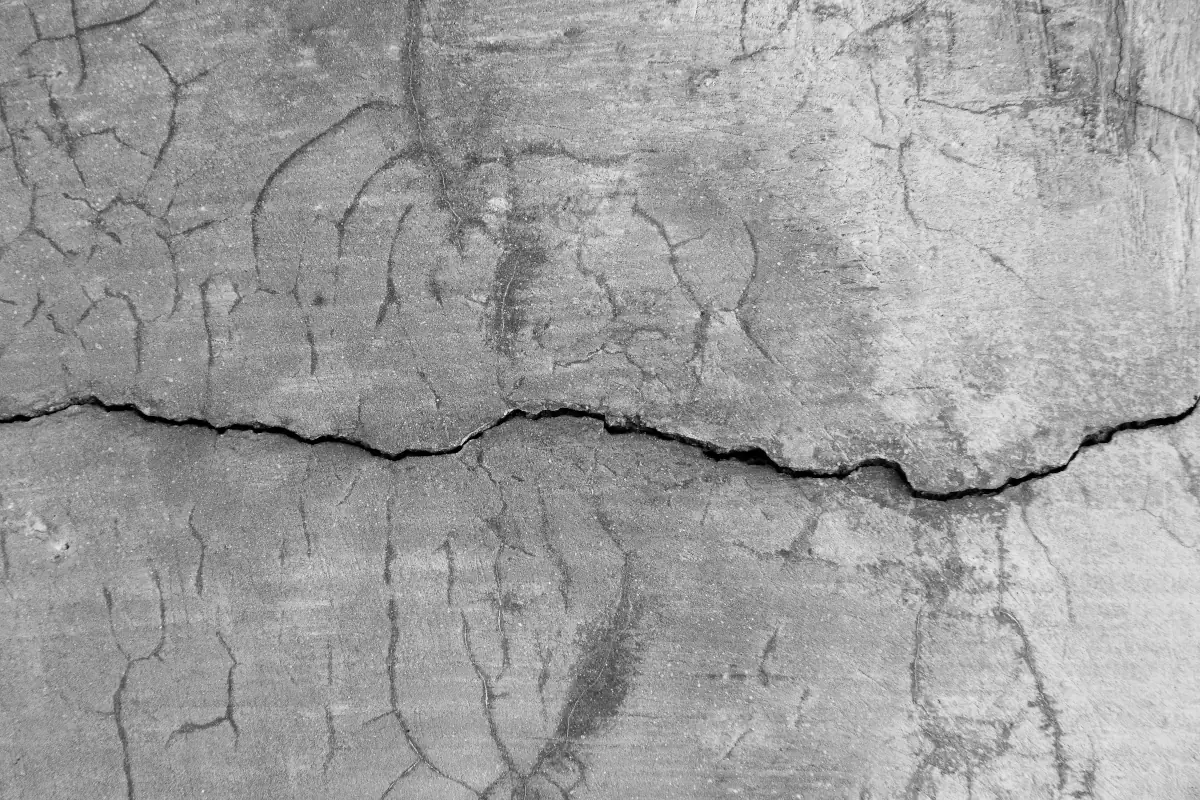
Small cracks (less than 1/8 inch wide) usually come from surface shrinkage or minor stress. They look cosmetic, but in Denver’s climate, even tiny cracks let water in. That causes bigger problems when winter hits.
Medium cracks (1/8 to 1/2 inch wide) need immediate attention. These let significant water in and will widen fast through winter. Fix these now before they get expensive.
Large cracks (wider than 1/2 inch) often mean structural problems beneath the concrete. If the concrete on both sides of the crack sits at different heights, you have settlement issues that may need a professional concrete contractor.
The crack pattern matters too:
- A single straight crack might be a control joint that was never cut properly
- Multiple cracks spreading from one point suggest impact damage
- Spiderweb patterns mean serious damage that needs professional help
Walk your entire driveway and document what you find. Take photos. Measure crack widths. This tells you if you’re looking at a DIY project or if you need professional concrete driveway services.
DIY Concrete Crack Repair
For small to medium cracks in stable concrete, DIY repair works well when done correctly. Here’s how to fix cracks in concrete driveways.
What You’ll Need
The key is using the right materials for Colorado’s climate. Don’t buy whatever’s cheapest.
For small cracks (up to 1/4 inch):
- Flexible concrete crack sealant
- Caulk gun
- Wire brush
- Shop vacuum or compressed air
- Foam backer rod for deeper cracks
For medium to large cracks (1/4 to 1/2 inch):
- Concrete repair caulk or vinyl patching compound
- Putty knife or trowel
- Concrete bonding adhesive
- Wire brush or angle grinder
- Pressure washer or garden hose
For wide or broken concrete:
- Concrete patching compound
- Bonding adhesive
- Trowel and float
- Plastic sheeting for curing
- Safety glasses and dust mask
Step-by-Step Repair
Step 1: Clean the Crack
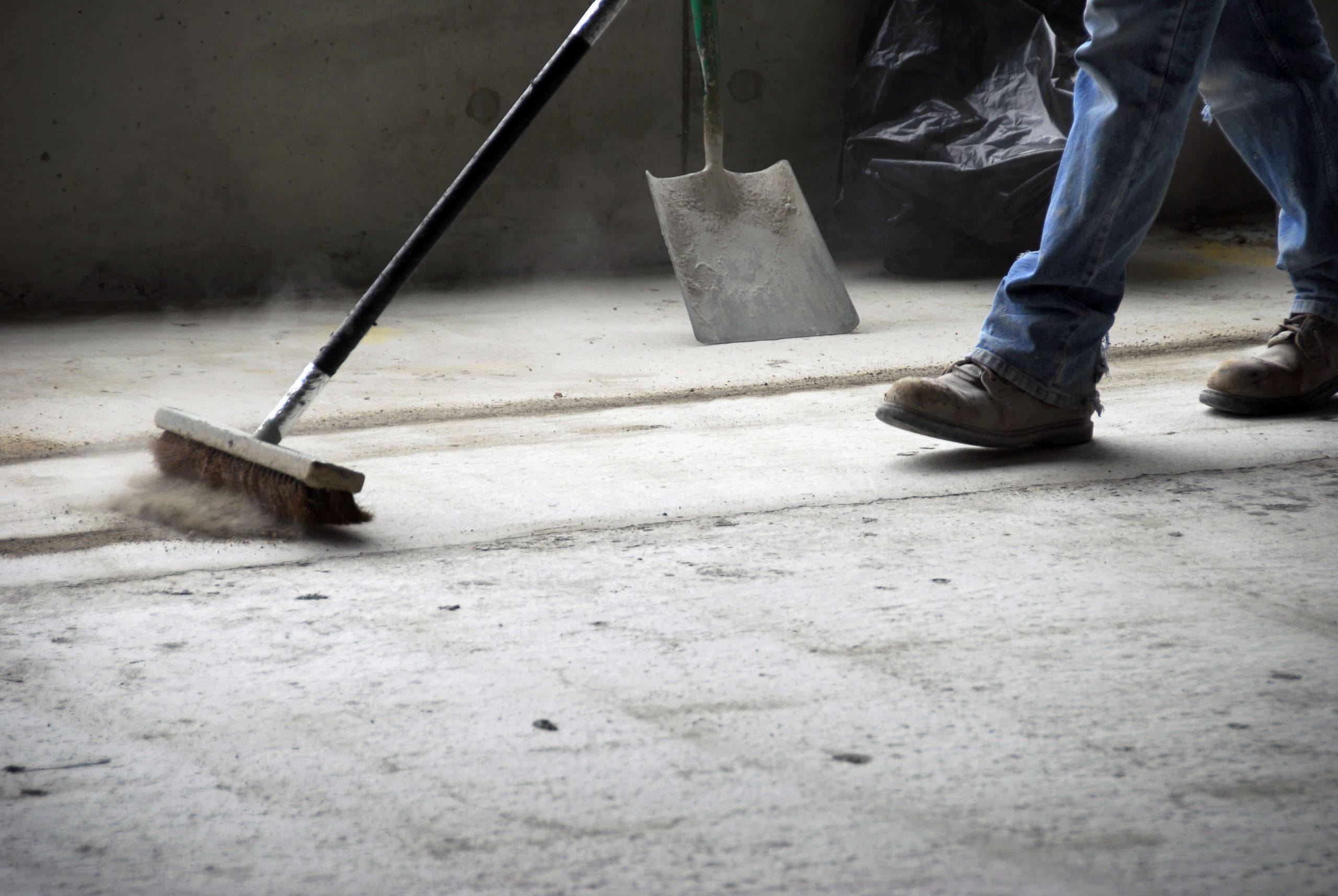
Use a wire brush or screwdriver to remove all loose concrete, dirt, plants, and old filler. You need to reach solid concrete on both sides. For larger cracks, use a cold chisel to slightly widen the crack for better bonding.
Spray the crack with a pressure washer or garden hose. Let it dry completely. At least 24 hours in Denver’s dry climate.
Step 2: Apply Bonding Adhesive
For cracks wider than 1/8 inch, brush concrete bonding adhesive along the crack before filling. This creates a strong bond between old and new concrete.
Step 3: Add Backer Rod If Needed
For cracks deeper than 1/2 inch, push foam backer rod into the crack before sealing. It should sit about 1/4 inch below the surface.
Step 4: Fill the Crack
For small cracks, cut the sealant tube at a 45-degree angle. Apply sealant in a continuous line, slightly overfilling. Smooth with a putty knife or wet finger, blending the edges.
For larger cracks, use vinyl concrete patching compound with a trowel. Overfill slightly, then smooth flush. Work the material thoroughly.
When repairing broken concrete where chunks are separated, mix concrete patching compound according to directions. Apply bonding adhesive to all surfaces, then trowel the mix in place.
Step 5: Let It Cure
Most sealants cure in 24-48 hours (check your product label). Don’t drive on repairs for at least 24 hours. In hot weather, cover patches with damp burlap or plastic for the first day. This prevents rapid drying that causes more cracks. For more repair methods, check out our guide on 3 ways to fix a concrete crack.
When to Call a Professional
DIY crack repair works for simple surface cracks in stable concrete. But some situations need professional help.
Call a concrete contractor if you notice:
- Multiple large cracks covering big areas of your driveway
- Concrete sections that settled or heaved, creating uneven, dangerous surfaces
- Spalling (surface flaking, peeling, or pitting) from salt damage
- Cracks that keep coming back in the same spots despite repairs
- Drainage problems causing water to pool
These issues go beyond surface repairs. Our team at Enright Asphalt has fixed hundreds of concrete problems across Denver and can identify issues homeowners miss. You might also consider concrete resurfacing if your driveway has widespread surface damage but the base is still solid.
Prevent Future Cracks
Once you’ve fixed existing cracks, smart maintenance keeps new damage away. In Denver’s climate, prevention protects your investment.
Seal your concrete every 2-3 years with quality concrete sealer. This blocks water and protects against salt damage. Note: Sealing concrete is different from asphalt sealcoating. Concrete needs penetrating or acrylic sealers. Learn about the best driveway sealers for concrete for more details.
Fix drainage problems immediately. Water pooling near your driveway means grading problems need correction. Keep gutters and downspouts directing water away from concrete.
Use concrete-safe deicing products in winter. Regular rock salt damages concrete and causes the spalling we see throughout Colorado. Use sand or concrete-safe ice melters instead.
Keep your driveway clean by sweeping away leaves, dirt, and debris regularly. These trap moisture and block drainage. Remove oil stains quickly since petroleum products break down concrete. If you’re dealing with standing water problems, address them before they damage your concrete.
Frequently Asked Questions
What’s the best way to fill cracks in a concrete driveway?
It depends on crack size. For small cracks under 1/4 inch, use flexible polyurethane sealant. For medium cracks from 1/4 to 1/2 inch, vinyl concrete patching compound works better. For large cracks over 1/2 inch, use concrete patching mix. Always clean thoroughly and use products rated for freeze-thaw climates.
Can you pour new concrete over old cracked concrete?
You can pour a concrete overlay, but only if the existing concrete is structurally sound with no settlement or movement. However, overlays add 1.5 to 2 inches of height, creating problems with garage entries and drainage. For driveways with widespread cracking, complete replacement often costs less long-term. Talk to our concrete contractors about the best option.
Should I fill small cracks in my driveway?
Yes, absolutely, especially in Denver. Even small cracks let water in. During freeze-thaw cycles, that water causes major damage. A hairline crack in September can become a big problem by spring. Fill cracks as soon as you see them.
Protect Your Investment
Your concrete driveway is a big investment. In Denver’s tough climate, protecting it means watching for early damage signs, especially cracks that let water in.
For small, stable cracks, DIY repair using quality materials can add years to your driveway’s life. The key is acting fast, preparing surfaces right, and using products made for Colorado’s freeze-thaw conditions.
When cracks show bigger problems, when damage is widespread, or when you’re not sure what to do, professional help saves money and hassle. What looks like a simple crack might mean drainage issues, settlement, or base failure that surface repairs can’t fix.
Enright Asphalt has served Denver, Boulder, Littleton, Arvada, and Aurora with trusted concrete services for over 30 years. Our family-owned team understands Colorado’s unique concrete challenges.
Don’t wait until small cracks become big problems. Denver’s climate doesn’t give you that luxury.
Contact Enright Asphalt today for a free concrete driveway assessment. Let us help you protect your investment before winter arrives.