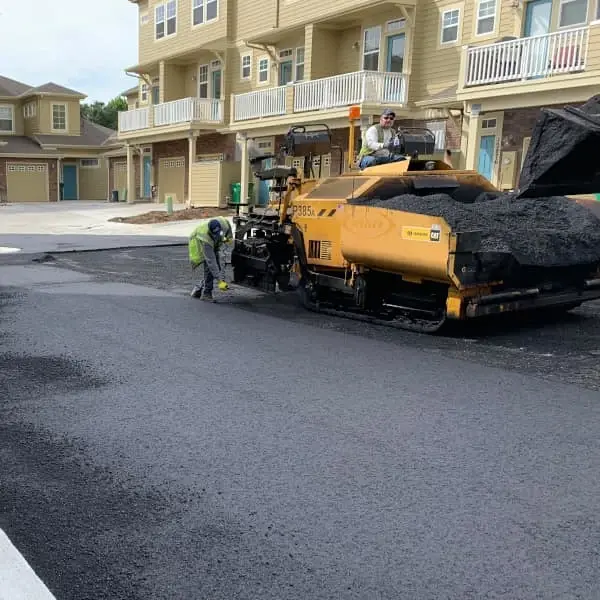

When your parking lot or pavement starts showing cracks, potholes, or surface damage, you need asphalt repair that holds up to Denver’s climate. At Enright Asphalt, we’ve been fixing commercial and residential pavement in the Denver metro for over 30 years. We know which repair methods work in this environment and which ones fail after one winter.
Denver’s freeze-thaw cycles, elevation, and temperature swings put serious stress on asphalt. Small cracks turn into potholes fast here. Water gets in, freezes, expands, and breaks apart your pavement’s base. That’s why timely asphalt repair in Denver isn’t optional—it’s how you avoid paying for full replacement three years early.
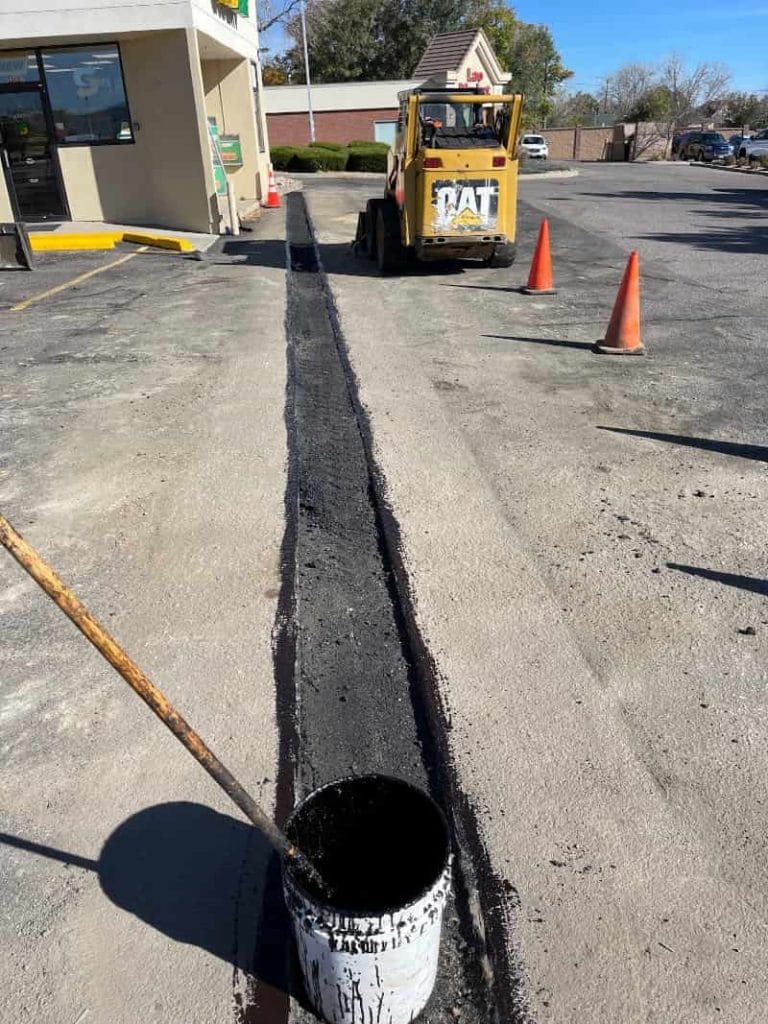
Why Denver Asphalt Needs More Frequent Repair
Denver sits at 5,280 feet. That elevation means stronger UV exposure that breaks down asphalt binder faster than at sea level. The sun cooks your pavement all summer, making it brittle. Then winter hits.
Our freeze-thaw cycles are brutal. Temperatures can swing 40-50 degrees in a single day during spring and fall. Water seeps into cracks during the day, freezes at night, expands, and widens those cracks. Do that 50-60 times per season and you’ve got potholes.
The soil doesn’t help either. Denver’s got bentonite clay in the subgrade. When it gets wet, it expands. When it dries, it shrinks. That movement stresses your asphalt base from underneath, causing cracking even when the surface looks fine.
This is why preventive asphalt repair matters in Denver. Fix the small stuff before winter and you’ll save thousands.
Four Asphalt Repair Methods We Use in Denver
Not all asphalt damage needs the same fix. Here’s when we use each method and why.
Full-Depth Removal and Replacement (R&R)
This is the permanent fix. We cut out the damaged asphalt, dig down to the base, address any soil or drainage issues, compact fresh base material, and pave with hot asphalt.
When to use it: When the base has failed. If you’ve got alligatoring (that spiderweb cracking pattern), severe rutting, or potholes that keep coming back in the same spot, the problem is below the asphalt. Patching the surface won’t fix it.
Full-depth R&R costs more upfront but it solves the actual problem. If your parking lot has areas where water ponds or the pavement sinks after every rain, this is the right call.
Infrared Asphalt Repair
Infrared repair heats the existing asphalt until it’s workable, adds new material, blends it together, and compacts it smooth. The heat fuses old and new asphalt so there’s no seam to fail.
When to use it: For potholes and isolated damage where the base is still solid. Works great for utility cuts, small failed areas, or surface defects that haven’t compromised the foundation.
Infrared is faster than R&R and leaves no cold joints that can leak. The repair is ready for traffic as soon as it cools—usually 30-45 minutes. In Denver’s climate, eliminating that cold seam matters because water can’t infiltrate and freeze.
Limitation: Doesn’t fix base failure. If the soil underneath is bad or drainage is an issue, infrared just postpones the inevitable.
Cold Patch
Cold patch is emergency repair. We keep it on the truck for situations where safety is the priority and permanent repair has to wait.
When to use it: Winter potholes that need immediate attention. When temperatures are too low for hot asphalt but the hole is a liability issue. During snow season when you need something in there today.
Cold patch is temporary. Period. It’ll hold through winter, but plan on replacing it with hot asphalt or infrared in spring. Denver’s temperature swings make cold patch fail faster than in milder climates. It works when you need it, but don’t expect it to last.
Skin Patch (Overlay Patch)
A skin patch is a thin layer of hot asphalt laid over the existing surface. We’re talking 1-2 inches. It seals minor surface cracking and refreshes the pavement without major excavation.
When to use it: For surface oxidation, light cracking, and cosmetic improvement when the base and structure are sound. It’s a cost-effective option for parking lots that need a facelift but don’t have structural issues.
Skin patching won’t fix rutting, base failure, or drainage problems. It’s a surface treatment. But if your lot just looks tired and has scattered shallow cracks, this extends its life for several more years at a fraction of replacement cost.
Asphalt Repair Method Comparison
| Repair Method | Durability | Typical Lifespan | Traffic Readiness | Cost (Long-Term) | Best Used In |
| Full-Depth R&R | Highest | 15-20+ years | 24-48 hours | Lowest (permanent fix) | Base failure, alligatoring, chronic potholes, drainage issues |
| Infrared | High | 5-10 years | 30-45 minutes | Moderate | Potholes with solid base, utility cuts, isolated damage |
| Cold Patch | Low | 3-6 months | Immediate | Highest (needs replacement) | Emergency winter repairs, temporary fixes |
| Skin Patch | Moderate | 5-8 years | 24 hours | Moderate | Surface oxidation, light cracking, cosmetic refresh |
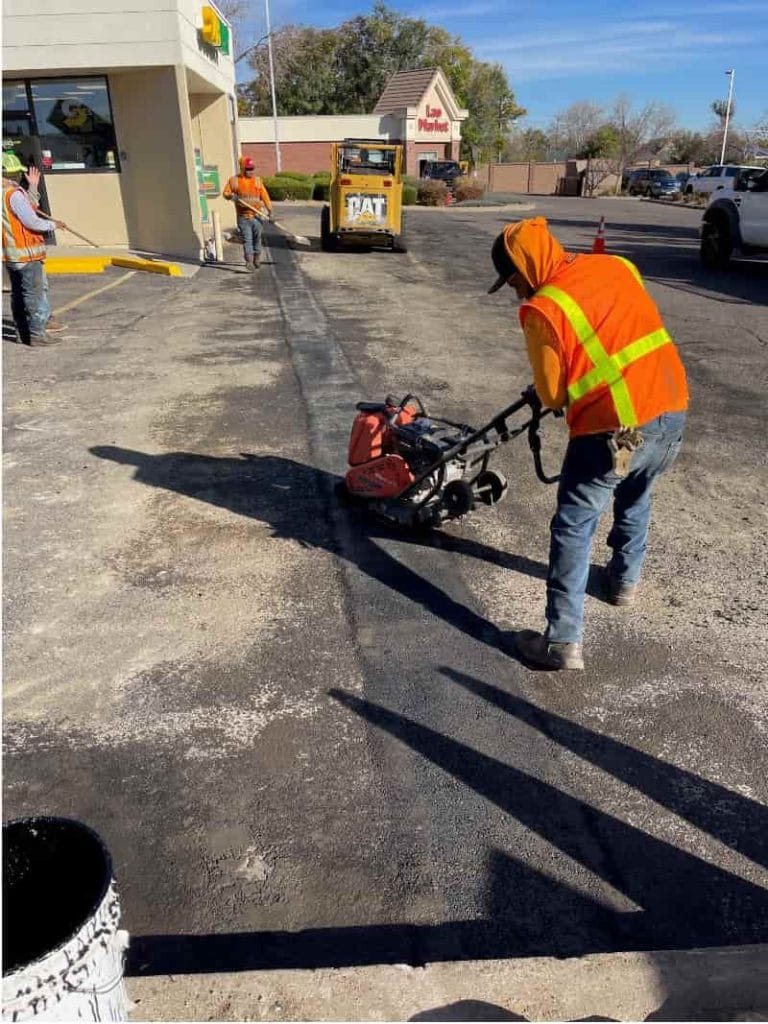
What Causes Asphalt Damage in Denver?
Water infiltration is the biggest culprit. Cracks let water in. Water freezes. Ice expands with 9% more volume than liquid water. That expansion breaks apart asphalt and base material. Then the ice melts, leaving a bigger crack or pothole that holds even more water for the next freeze cycle.
UV oxidation accelerates at our elevation. Denver gets 300+ days of sunshine. All that UV breaks down the asphalt binder—the petroleum-based glue holding everything together. Oxidized asphalt becomes brittle and cracks under traffic stress.
Temperature cycling fatigues the pavement. Asphalt expands when hot, contracts when cold. Do that daily for months and micro-cracks develop. Those cracks let in water, which brings us back to freeze-thaw damage.
Poor drainage undermines the base. If water sits on or under your pavement, it saturates the aggregate base and weakens support. Traffic loads on weakened base create rutting and potholes.
Bentonite clay movement in Denver’s soil adds stress from below. When clay swells from moisture and then shrinks during dry periods, it shifts the base and cracks the asphalt from underneath.
How to Prevent Costly Asphalt Repairs
Sealcoat every 2-3 years. Sealcoating blocks UV, slows oxidation, and fills minor surface voids so water can’t penetrate. It’s the cheapest insurance policy you can buy for asphalt.
Fix cracks immediately. A crack sealed today costs $2 per linear foot. The same crack left alone becomes a $500 pothole next spring. Crack sealing keeps water out of your base.
Maintain proper drainage. Keep catch basins clear. Make sure water drains off the pavement, not into it. Standing water kills asphalt.
Inspect after winter. Denver’s spring thaw reveals the damage winter caused. Walk your lot in March or April and get repairs done before small problems compound.
Don’t ignore surface deterioration. Raveling (loose aggregate on the surface) and fading are signs your asphalt is oxidizing. That’s when you sealcoat, before cracks develop.
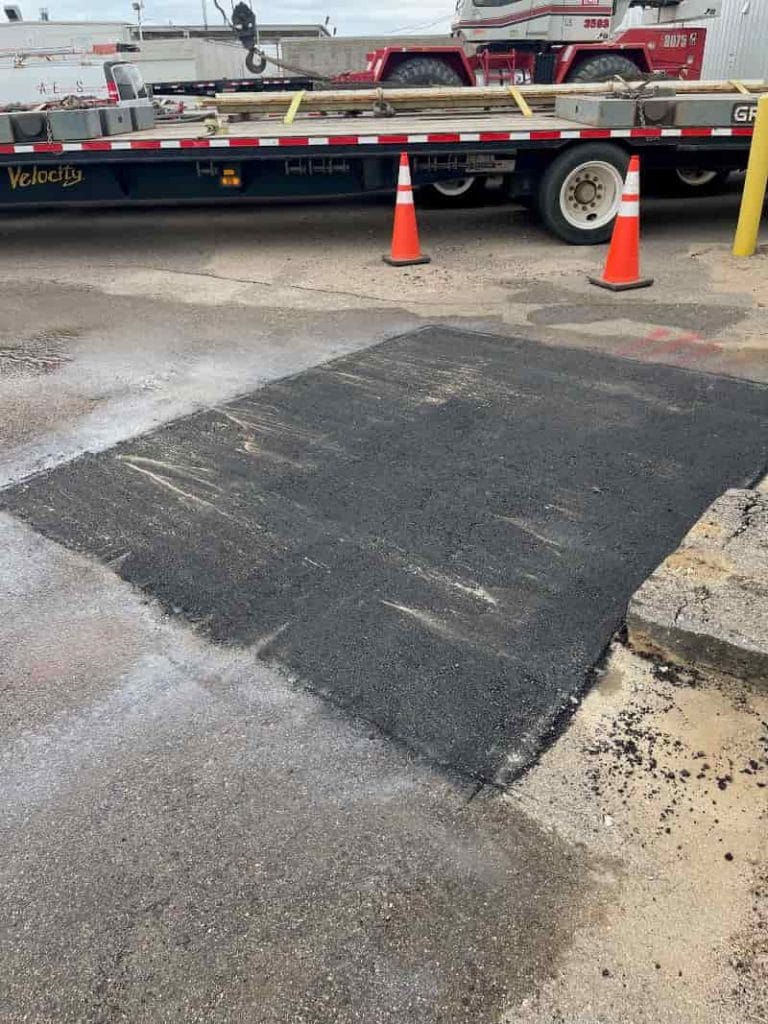
Why Choose Enright for Asphalt Repair in Denver
We’ve been repairing asphalt in Denver for over 30 years. We know what works here and what doesn’t. We’re not going to sell you cold patch as a permanent solution or tell you to skin patch over base failure.
When we assess your pavement, we’ll tell you which repair method actually fixes the problem. Sometimes that’s the expensive option. We’d rather you spend money once on the right repair than twice on cheap fixes that fail.
Our crews understand Denver’s climate. They know freeze-thaw, they know elevation effects on curing, and they know how to time repairs so you get maximum lifespan. We use quality materials that hold up to temperature swings and we don’t cut corners on base prep.
You’ll get a written assessment of what’s wrong, which repair method we recommend, and why. No pressure, no upselling. Just honest evaluation from contractors who’ve seen every type of asphalt failure Denver can throw at a parking lot.
If you’ve got cracks, potholes, or pavement that’s starting to fail, call us. We’ll walk the site, show you what needs attention now versus what can wait, and give you a fair price on repairs that actually last.